Organic Garden How To
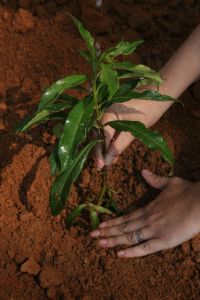 It All Begins With A Seed Tended With Love and Care
GrowVeg.com is an innovative garden planning tool which helps you grow fruit and vegetables to the best of their ability, whatever the size or shape of your garden or plot.
With GrowVeg.com it is easy to draw out your garden plan and decide how best to plant it. The GrowVeg.com planning tool clearly shows how much space plants require and how to group them for maximum success, removing the need to look up planting distances and crop families.
Growing advice is just one Click Away as you select the plants that you wish to include, enabling you to solve problems and maximise your harvest from the space you have. An annual subscription costs just $25.
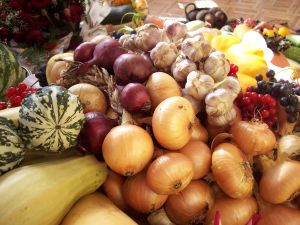 | Organic Garden How To starts with understanding what exactly an organic garden is. Organic garden how to is gardening without the use of man-made synthetic products such as pesticides and fertilizers. Organic gardening replenishes the resources it uses.
Organic garden how to teaches you to rely on organic matter of decaying plant and animal waste as a soil conditioner or fertilizer. In organic garden how to things such as kitchen scraps, fish heads, grass clippings, compost, dried leaves, and manure can be used instead of commercial top soil or mulch. This will help feed the soil, which in turn will feed your plants, while attracting organisms that reside in the soil and create nutrients. This will also give texture to your soil. Another aspect of organic garden how to is controlling pests and diseases without the use of harmful chemicals that are poisonous. Now, you are going to have to learn to live with the occasional pest and your produce may not be flawless, since you are trying to take the Mother Nature approved approach in your steps with organic garden how to. Your first line of defense in organic garden how to will be minding your garden. Keep a close watch on your produce and take quick action when you detect a problem. There are many safe organic types of pesticides to choose from, but be certain you know exactly what the problem is first. In organic garden how to there are a lot of things you can due to significantly reduce the likelihood of a large infestation, such as the following:
The most important thing in organic garden how to is for you to know the plants you are tending. That way you will know if a problem is occurring and what action you should take. Learn the seasonal changes your particular plants go through, so you will be able to anticipate problems. This is your basic first step in Organic Garden How To. |
